HISTORY
1910 - 1926
1910
- Established as Nippon Phonograph Co., the predecessor of Columbia Music Entertainment, Inc. (Then president : Fredrick W. Horn)
- Released single-sided records on labels such as Symphony, Royal, American, Universal and Globe.
- Introduced 4 models of Nipponophone, the first Japanese-made gramophone to the market.
1914
- Sumako Matsui's "Song of Katyusha" became a country-wide hit.
- Double-sided records start to become the norm.
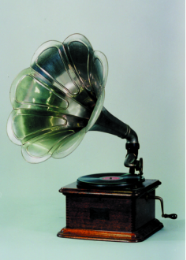
Nipponophone
1926 - 1989
1927
- Released first domestically pressed Columbia black vinyl records featuring western music.
- Marketed the Eagle gramophone.
1931
- Adopted the Columbia brand name from US Columbia and standardized record logo to the current musical note.
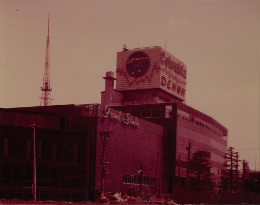
- Raised the neon sign of the Columbia logo, which is the largest neon sign in Asia, on the roof of the Kawasaki factory.
1939
- Announced a domestically produced TV set and demonstrated it in Takashimaya department store.
- Released "Marching song for beloved horse" and "Starting from a cup of coffee" by Noboru Kirishima and Misao Matsubara.
1946
- Changed the company name to Nippon Columbia Co., Ltd.
- "The Apple Song" by Michiko Namiki became a big hit.
1950
- Held the 1st Ei>Columbia Zenkoku Kayo KonkuruE(Columbia National Song Contest) in celebration of the company’s 40th anniversary.
1951
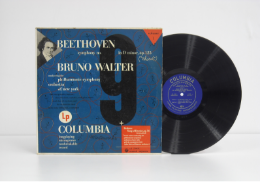
- Released the first long playing (LP) record in Japan.
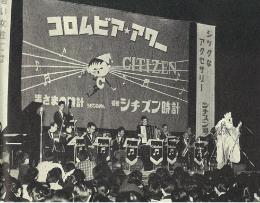
- Started the music entertainment program Ei>Columbia AwaE(Columbia Hour) at the same time as the launch of private TV broadcasting.
1960
- Held the Ei>Columbia Dai Geino-saiE(Columbia Big Entertainment Festival) at the Kabukiza in celebration of the company’s 50th anniversary
1962
- Launched Elepian, an electric piano.
1963
- Acquired Nihon Electric Sound Co.
- Developed the DL-103 cartridge in conjunction with NHK.
1965
- Completed construction of new Head Office Building in Akasaka. (Opening of the Akasaka Studio.)
1969
- Established a business alliance with Hitachi, Ltd.
1971
- Began sales of DENON products, including DP players and PMA amps.
1982
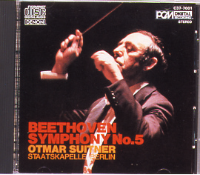
- Released world's first CDs and CD players.
- Commenced full-scale video cassette sales.
1986
- The CD player "DCD-1500" gained an excellent reputation both in Japan and overseas, including receiving the highest evaluation in the USA and Germany.
- Recorded a cumulated total production of 100 million music cassettes.
- Awarded the Japan Audio Society Prize for our promotion of digital recording.
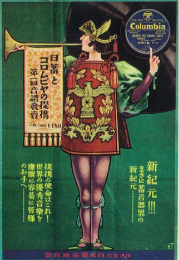
Poster of when domestically pressed Columbia black vinyl records featuring western music first released.
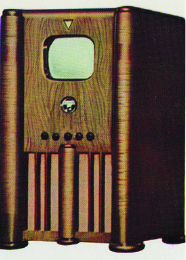
Domestically produced TV set

1989 -
1989
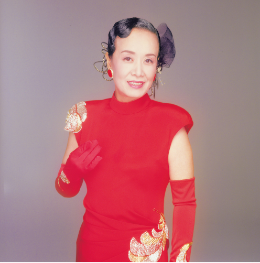
- Hibari Misora, a renowned artist under exclusive contract passed away. Demand for her work, including "The Complete Works of Hibari Misoraquot", grew significantly.
1990
- Completed the central research center in the Kawasaki pressing factory compound.
- Celebrated the company's 80th anniversary.
1995
- Established a multimedia studio in Yoyogi, Tokyo.
2001
- Transferred the AV/media device section to a separate company, DENON, Ltd.
2002
- Changed the company name to Columbia Music Entertainment, Inc.
- Spun off the main production operation of the Kawasaki pressing factory into a separate company, Columbia Digital Media, Inc.
2005
- Closed Columbia Akasaka Studio.
- Moved the Head Office from Akasaka to Roppongi.
- Established Columbia Artist Management company.
2007
- Acquired all shares of TDK Core, Ltd.
2008
- Changed company name of TDK Core, Ltd. to Creative Core, Ltd.
2009
- Moved Head Office from Roppongi to Toranomon.
2010
- Consolidated Creative Core’s music, audio-visual, and game divisions into Nippon Columbia.
- Became a part of the Faith Group.
- Celebrated the company’s 100th anniversary Changed the company name back from Columbia Music Entertainment Co., Ltd to Nippon Columbia Co., Ltd
- Held a convention in commemoration of the company’s 100th anniversary.
2011
- Established Future Records KK as a joint venture company with Faith Inc.
2012
- Established Columbia Marketing Co., Ltd.
2013
- Acquired 100% shareholdings in Omagatoki Co., Ltd. and Sirius Co., Ltd.
2017
- Became a Wholly-owned Subsidiary of Faith, Inc.